SUSTAIN/Stories: How Tanzania and Mozambique are rebuilding ecosystem stewardship through water governance
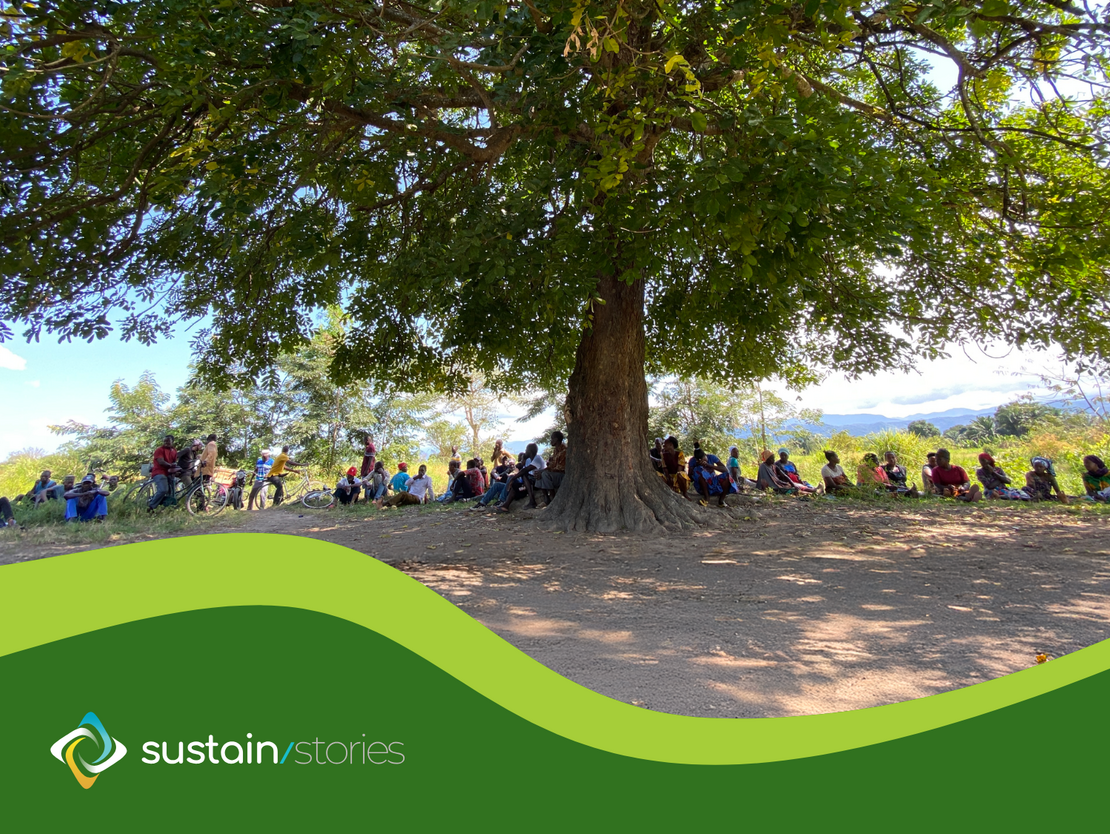
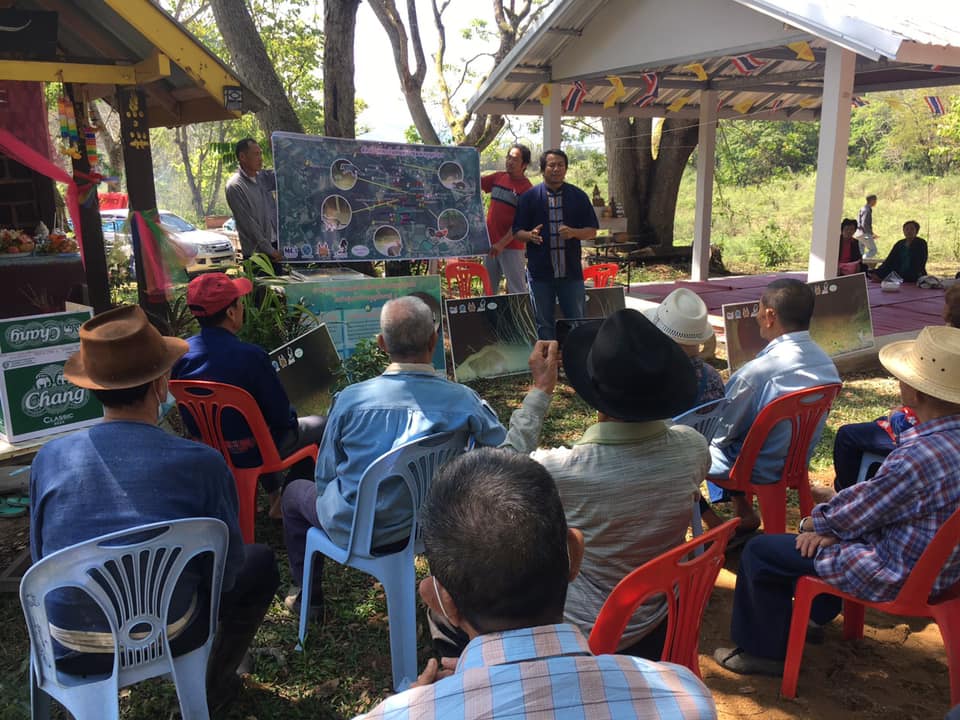
Community awareness meeting on IWRM – Ruipa WUA Revitalisation
Across rural landscapes in Tanzania and Mozambique, water acts as a connector between people and nature: rivers and streams ensure water is available for ecosystems, agriculture and households; wetlands provide safe havens for wildlife, sequester carbon and are an important source of protein for local communities. Yet, for decades, water has been treated as a technical problem to be engineered or managed for specific human use, losing sight of the multiple benefits that freshwater ecosystems provide and the importance of sharing these benefits equitably.
The result is familiar: engineered solutions for water age and eventually fall into disrepair, benefiting some for a short time but often facilitating resource depletion, while ecosystems become degraded, losing their ability to sustain the communities dependent on them.
This is why water governance is a key tenet of ecosystem stewardship, enabling the establishment of everyday agreements to determine who can abstract water, who maintains canals and springs, who enforces rules, and how to ensure equitable sharing of resources when trade-offs arise.
In the SUSTAIN landscapes across Tanzania and Mozambique, we have seen that when communities, Water User Associations (WUAs) and local authorities are brought together around water - not only as beneficiaries, but as stewards - a shift occurs towards water as a shared responsibility. And when water is governed collectively, ecosystem stewardship becomes possible.
Two examples from SUSTAIN illustrate this shift: the restoration of the Cagole Spring in Mozambique and the strengthening of WUAs in the Kilombero Valley in Tanzania. Together, they point to a simple but powerful truth: the path to ecosystem stewardship runs through water governance.
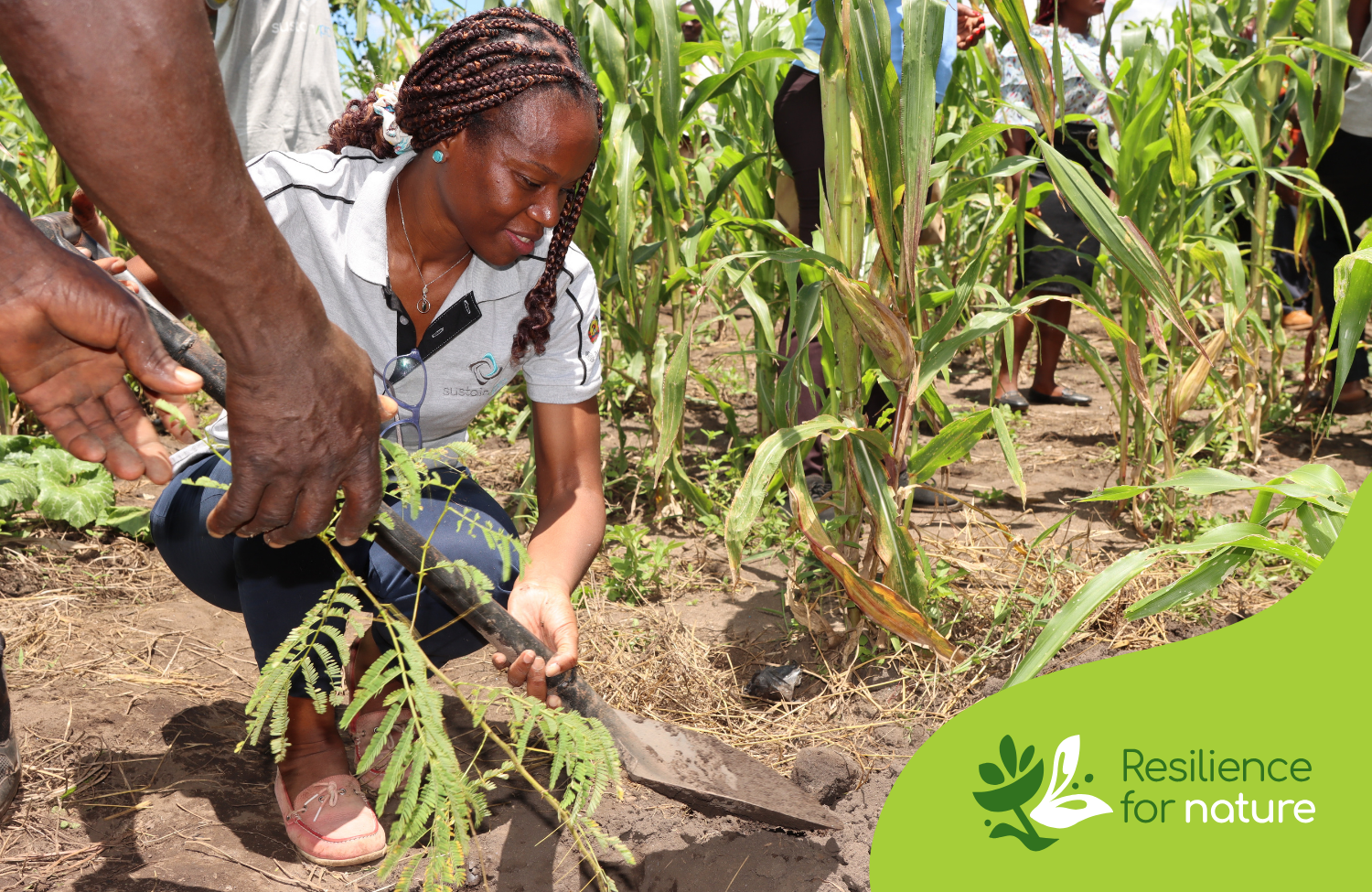
Cagole Spring, Báruè (Mozambique)
Although Cagole Spring is a critical water source for surrounding communities, pressure from deforestation and expanding agriculture, coupled with a lack of responsibility for protecting the spring or managing the catchment, was causing its degradation.
A biodiversity and restoration assessment under SUSTAIN identified Cagole as a priority site, and through multi-stakeholder partnerships (MSPs), a 25-member Natural Resource Management Committee (NRMC), including eight women, was formally established to manage and protect the spring and its surrounding area. The committee now oversees restoration, enforces rules, and coordinates with district authorities. This stewardship is reinforced by a payment-for-ecosystem-services scheme that compensates community members for maintaining the site. Cagole’s recovery started when the spring became a governed water source with clear rights, responsibilities and incentives.
Explore the full story here


The 30th Conference of the Parties to the United Nation Framework Convention of Climate Change (…
Victoria Falls, Zimbabwe, 24 July 2025 — The Indo-Burma Ramsar Regional Initiative (IBRRI)…
World Wetlands Day is celebrated annually on 2 February. To celebrate this year’s theme of “…