-
 Story
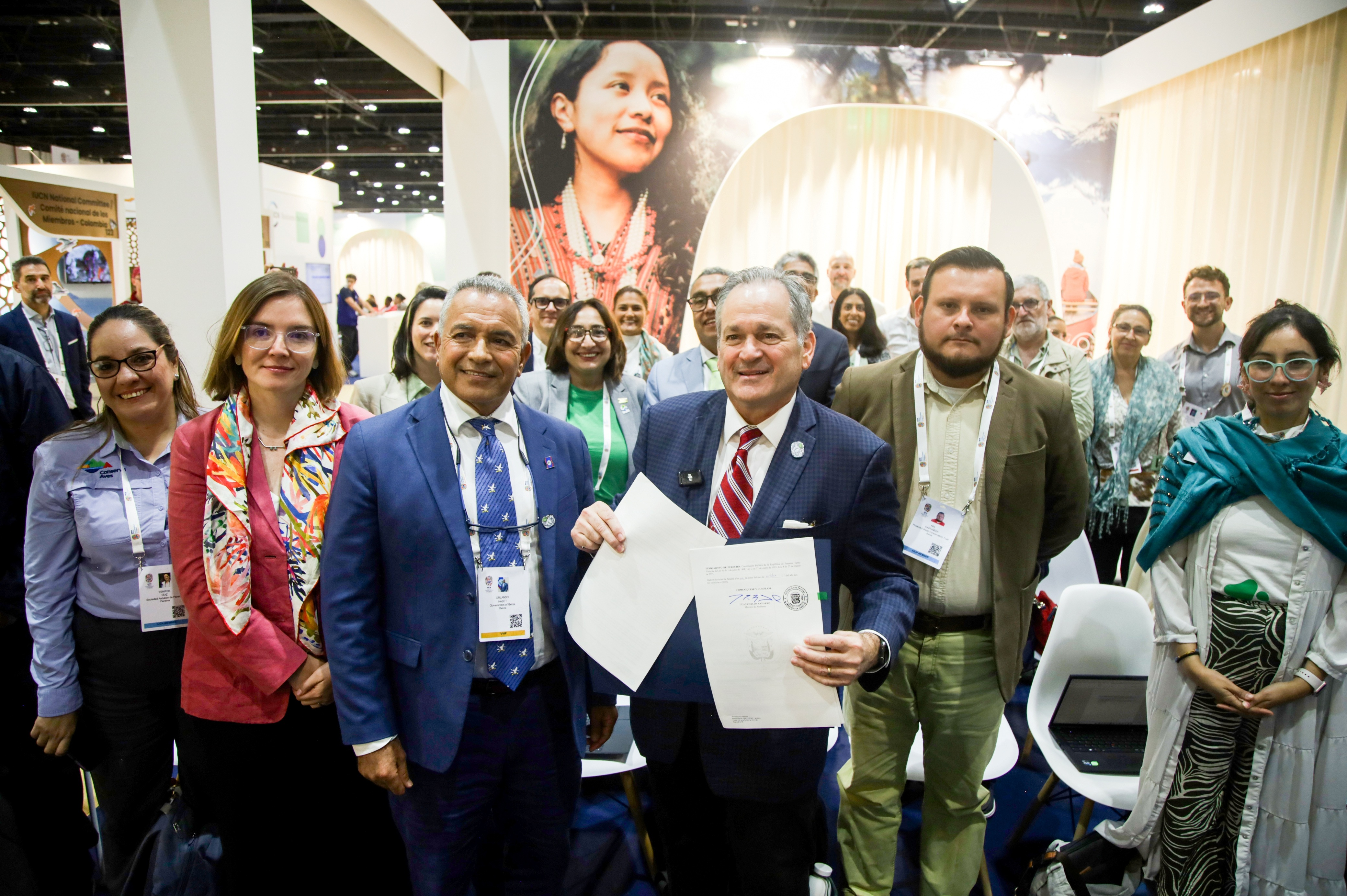
StoryOver five days, the Americas Pavilion showcased how the region is shaping global conservation, through Indigenous leadership, cutting-edge science, innovative finance, and partnerships that link local action to global ambition.
-
 Story
StoryInternational efforts are increasingly focused on addressing crimes that affect the environment (CAE), with remarkable progress evident from major political commitments in 2025 from Cape Town to Rio de Janeiro. CAE is widely recognised as a serious threat to biodiversity, local communities, and…
-
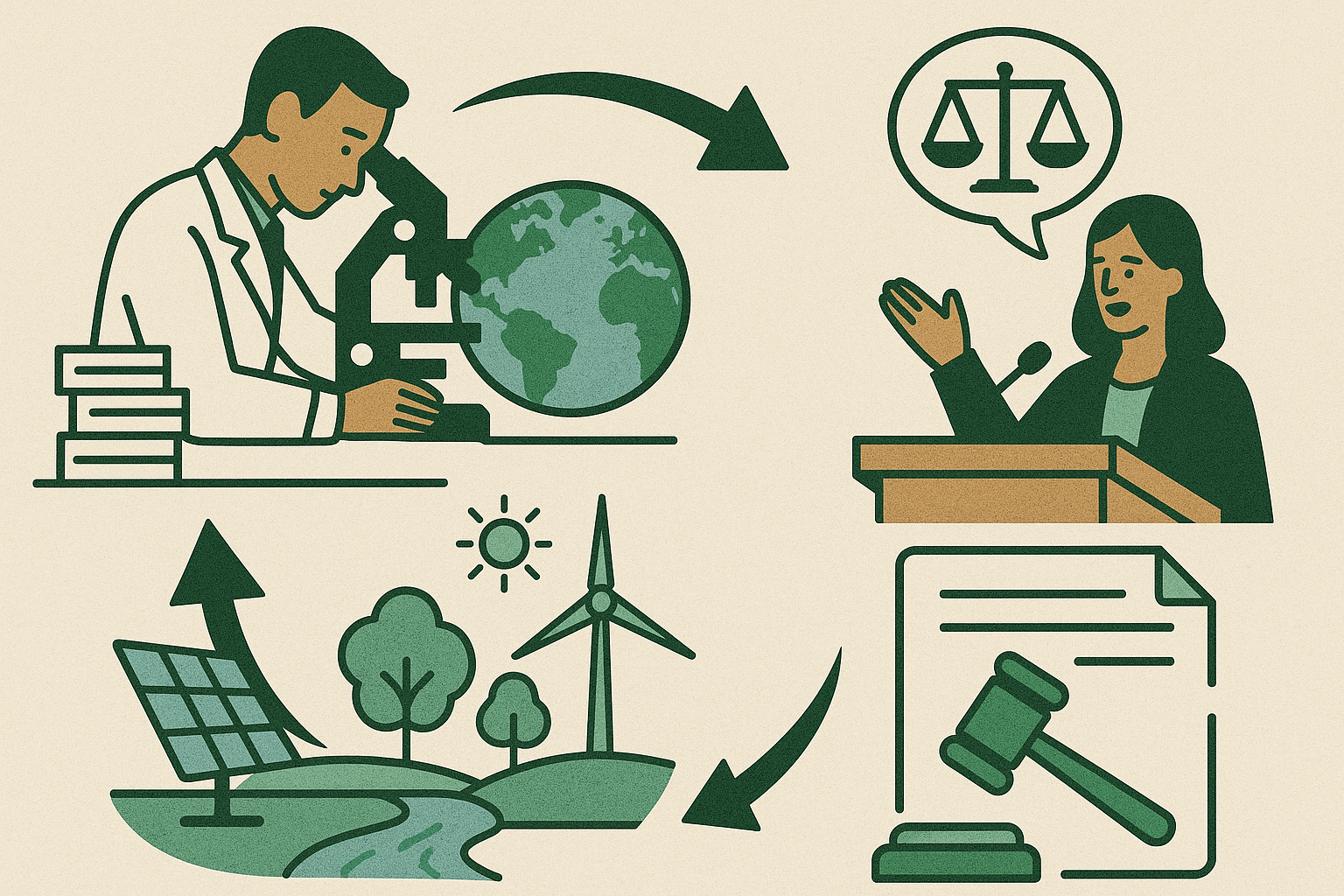 BlogIUCN WCEL early researchers’ view on the science-policy interfaces for the Environmental Rule of Law
Environmental Law is, by nature, inter- and multidisciplinary. Policy-making requires scientific data, and decision-making entails “a series of questions that rarely have easy answers” (Fischer, 2017).
-
 Story
StoryThis is a summary report of the “Roundtable Discussion on the ICJ Advisory Opinion on Climate Change and the BBNJ Agreement” held Tuesday 26 August 2024, 1:15-2:30 pm, UN Headquarters, Conference Room 2 during the Second Meeting of the Preparatory Commission for the Agreement under the United…
-
 Story
StoryThe fifth resumed session of the intergovernmental negotiating committee on an international, legally binding instrument on plastic pollution, including in the marine environment (INC-5.2), concluded on 15 August without…
-
 Story
StoryIUCN expresses its disappointment in the 13 August 2025 Chair's Text, as it is a significant retreat from what could have been developed from the 1 December Chair’s Text and in negotiations this week in Geneva. As the INC-5.2 negotiations continue toward their final scheduled date, we reiterate …
-
 Story
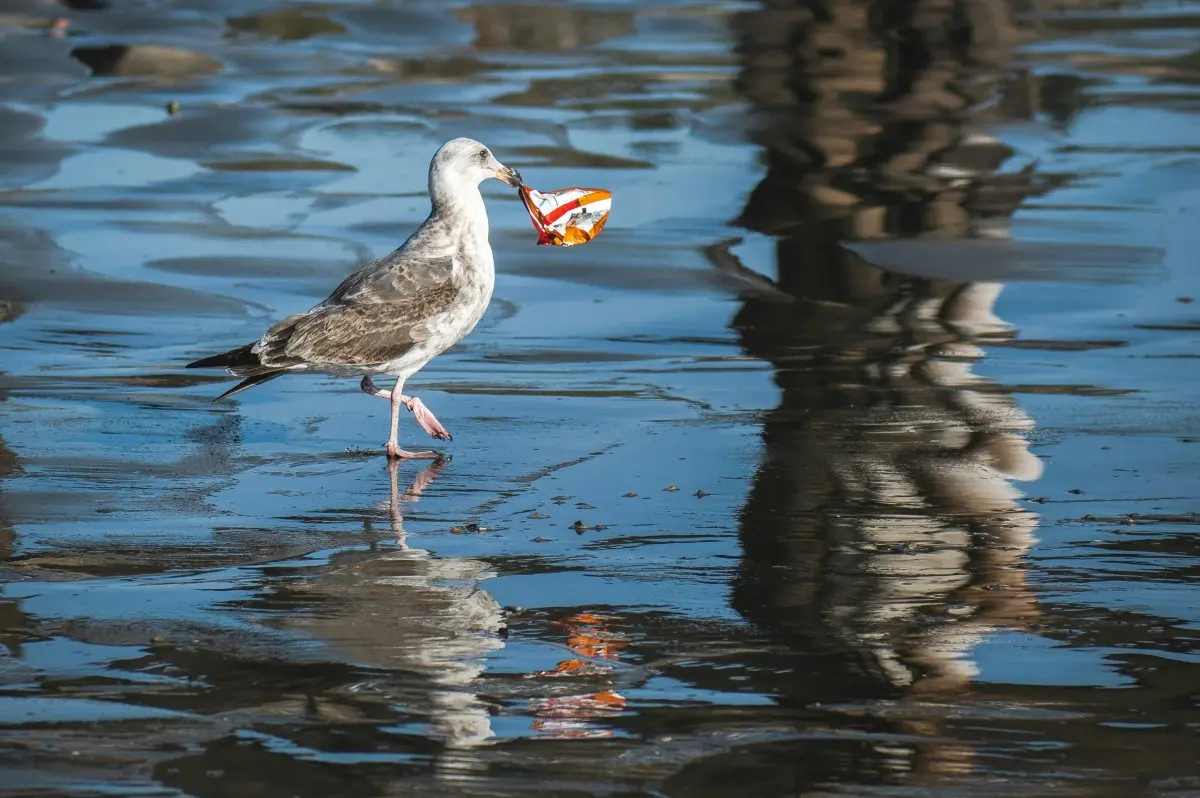
StoryPlastic pollution, biodiversity loss, and human health are interconnected issues that require coordinated responses across multiple international environmental agreements, including the Basel, Rotterdam and Stockholm (BRS) Conventions and the future Plastics Treaty, but have also to be aligned…
-
 Blog
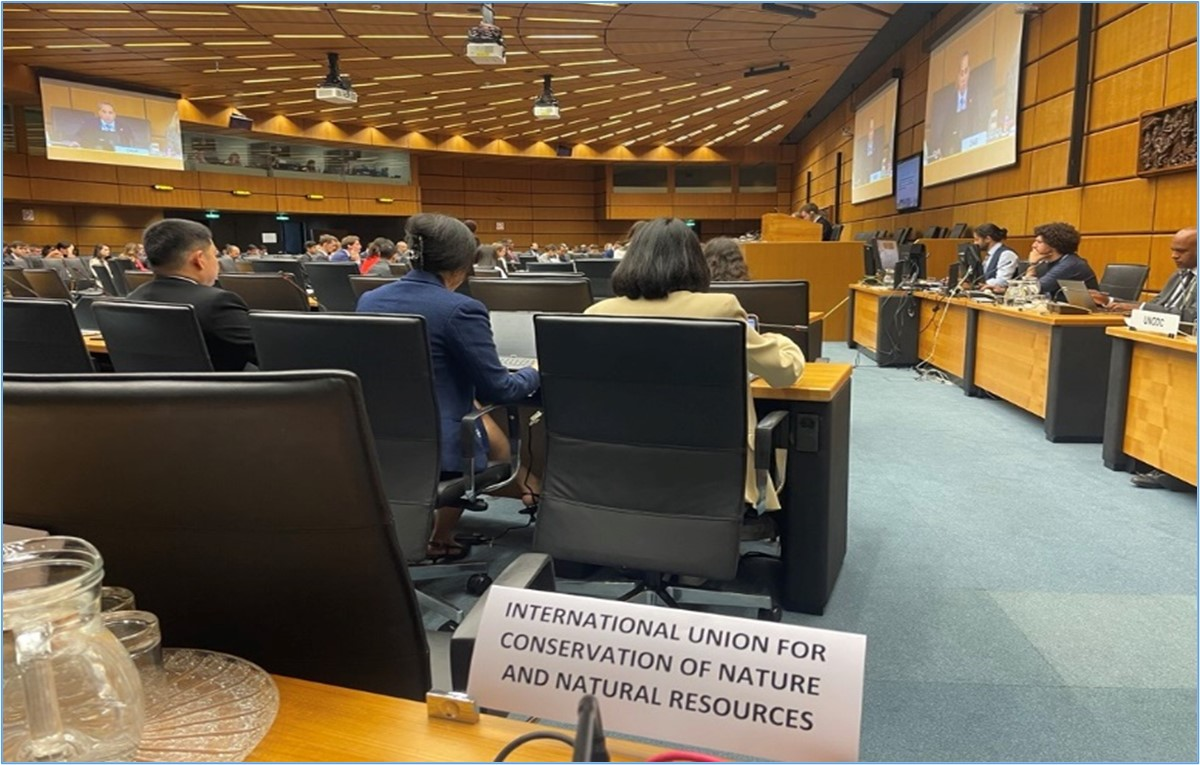
BlogFrom 30 June to 2 July 2025, in Vienna, Austria, IUCN and its World Commission on Environmental Law (WCEL) participated in the inaugural meeting of the …
-
 Press release
Today, the International Court of Justice (ICJ) delivered its Advisory Opinion on the obligations of States to protect the climate system.
-
 Story
StoryBharat Desai, Professor of International Law at Jawaharlal Nehru University in India, has been honored with a Humboldt Research Award. He was nominated for the €60,000 prize by Professor Stefan Talmon, an international law expert at the University of Bonn, and will now spend a year working in…