-
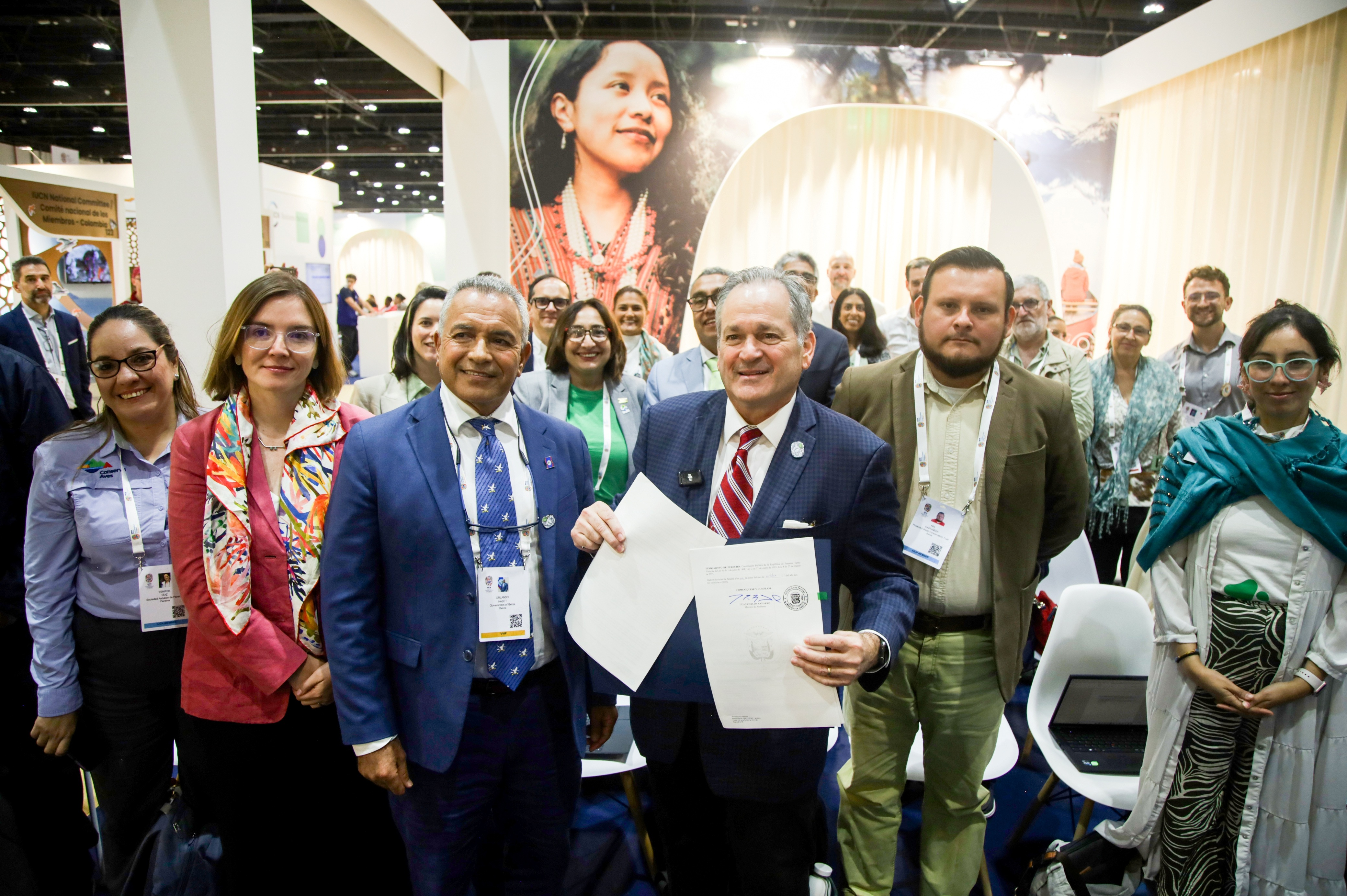 Story
StoryOver five days, the Americas Pavilion showcased how the region is shaping global conservation, through Indigenous leadership, cutting-edge science, innovative finance, and partnerships that link local action to global ambition.
-

-
 File 2025
IUCN welcomes the UNEA-7 draft resolution on Enhancing international response to address crimes that affect the environment and commends the governments of Peru and Kenya for placing this urgent issue on the global environmental agenda, as well as Member States for their commitment to…
-
 Story
StoryInternational efforts are increasingly focused on addressing crimes that affect the environment (CAE), with remarkable progress evident from major political commitments in 2025 from Cape Town to Rio de Janeiro. CAE is widely recognised as a serious threat to biodiversity, local communities, and…
-
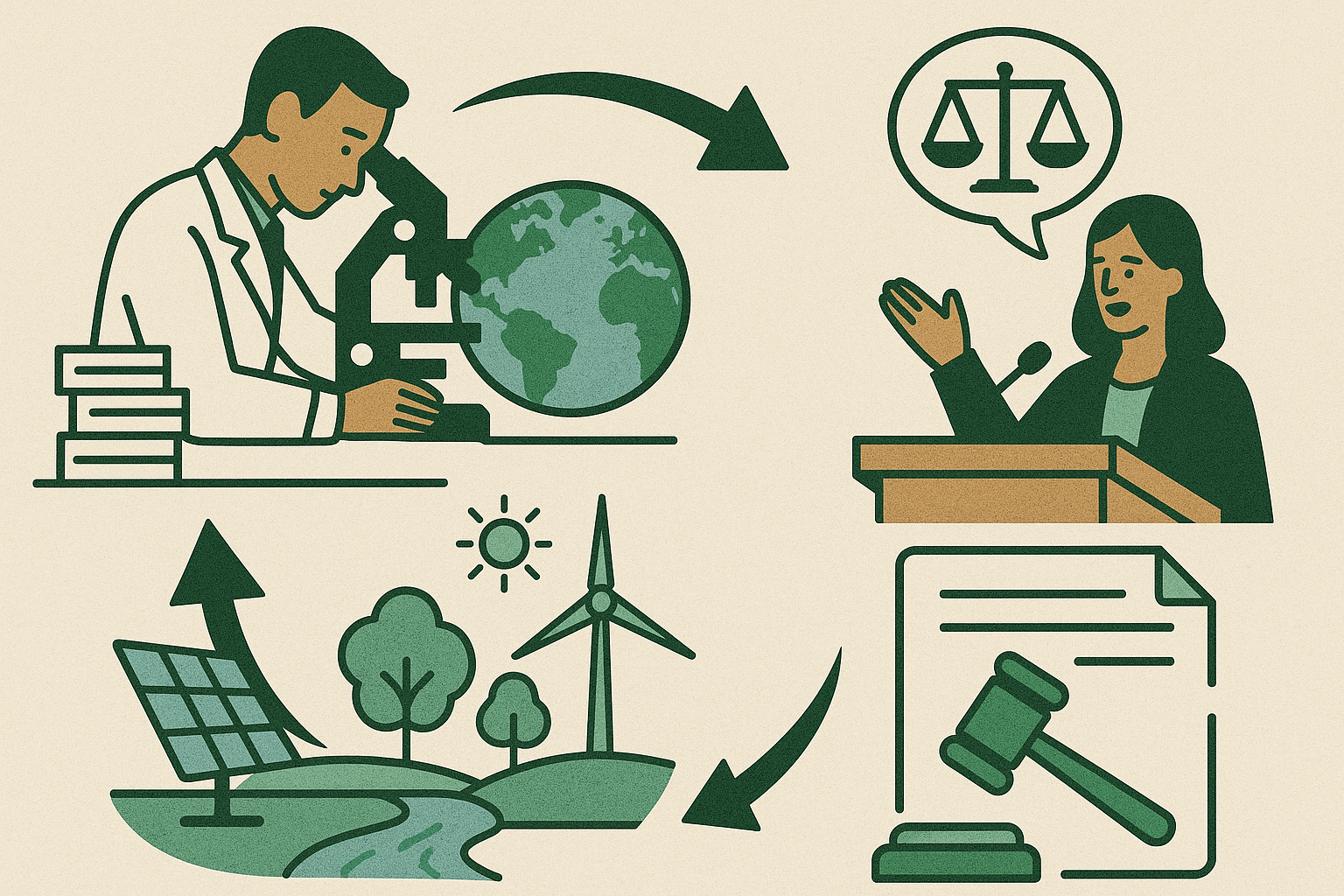 BlogIUCN WCEL early researchers’ view on the science-policy interfaces for the Environmental Rule of Law
Environmental Law is, by nature, inter- and multidisciplinary. Policy-making requires scientific data, and decision-making entails “a series of questions that rarely have easy answers” (Fischer, 2017).
-
 Brochure 2025
Crimes that affect the environment—illegal wildlife trade, illicit logging and mining, pollution crimes, and other forms of nature crime threaten biodiversity, climate ambition, human rights, and sustainable development.
… -
 Position paper 2025
UNFCCC COP30, which marks the 10th anniversary of the historic Paris Agreement, takes place at a time of growing conflicts, mounting geopolitical tensions, and heightened strains on multilateralism. As Parties convene in Belém, Brazil – in the heart of the Amazon – they must redouble their…
-
 Story
StoryThis is a summary report of the “Roundtable Discussion on the ICJ Advisory Opinion on Climate Change and the BBNJ Agreement” held Tuesday 26 August 2024, 1:15-2:30 pm, UN Headquarters, Conference Room 2 during the Second Meeting of the Preparatory Commission for the Agreement under the United…
-
 Story
StoryThe fifth resumed session of the intergovernmental negotiating committee on an international, legally binding instrument on plastic pollution, including in the marine environment (INC-5.2), concluded on 15 August without…
-
 Information brief 2025As the INC-5.2 negotiations continue toward their final scheduled date, we reiterate that, while the Chair does have the ability to propose new text as an option, it still must be in compliance with the parameters of …