-
 Explainer briefCitizen science, also called community science, is a common term for a wide range of participatory practices involving scientific data collection and analysis.Citizen science is important for science, research and policy, and has multiple benefits for society and for participants themselves by…
 -
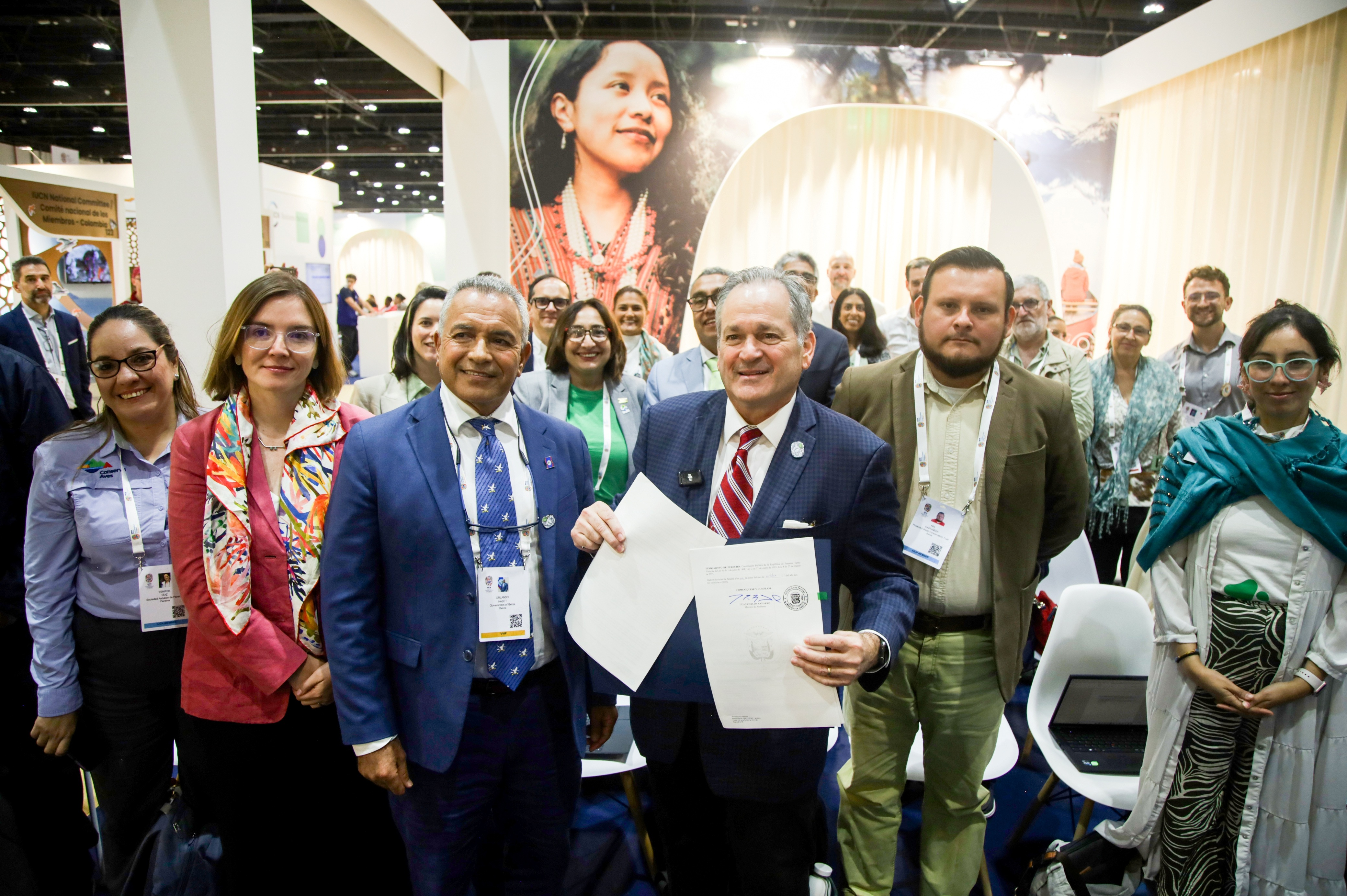 Story
StoryOver five days, the Americas Pavilion showcased how the region is shaping global conservation, through Indigenous leadership, cutting-edge science, innovative finance, and partnerships that link local action to global ambition.
-
 File 2025
IUCN welcomes the UNEA-7 draft resolution on Enhancing international response to address crimes that affect the environment and commends the governments of Peru and Kenya for placing this urgent issue on the global environmental agenda, as well as Member States for their commitment to…
-
 Story
StoryInternational efforts are increasingly focused on addressing crimes that affect the environment (CAE), with remarkable progress evident from major political commitments in 2025 from Cape Town to Rio de Janeiro. CAE is widely recognised as a serious threat to biodiversity, local communities, and…
-
 Page
PageThe Citizen Science Task Force (CSTF) aims to promote citizen science as a tool to protect biodiversity, raise awareness, and promote pro-environmental behavior.
-
Page
The IUCN CEC leads the IUCN Task Force on Nature-based Education, a diverse global network of over 175 experts and educators committed to advancing climate and biodiversity education that reconnects us to the rest of the natural world.
-
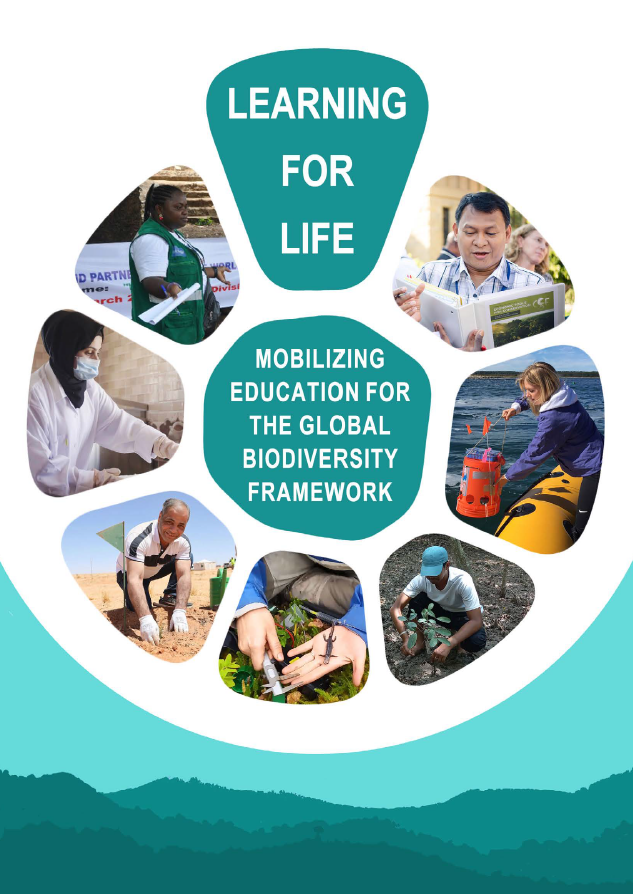 Grey literature 2025
2025A guide developed by a coalition of education experts to empower the education sector to drive action for the implementation of the Kunming-Montreal Global Biodiversity Framework.
-
 Brochure 2025
Crimes that affect the environment—illegal wildlife trade, illicit logging and mining, pollution crimes, and other forms of nature crime threaten biodiversity, climate ambition, human rights, and sustainable development.
… -
 Explainer briefNature-based Education is a pedagogical approach that embeds nature at the core of learning experiences, incorporating environmental education and experiential learning, among other teaching strategiesNature-based Education fosters environmental stewardship and enhances student engagement while…
 -
 Position paper 2025
UNFCCC COP30, which marks the 10th anniversary of the historic Paris Agreement, takes place at a time of growing conflicts, mounting geopolitical tensions, and heightened strains on multilateralism. As Parties convene in Belém, Brazil – in the heart of the Amazon – they must redouble their…