-
 Story
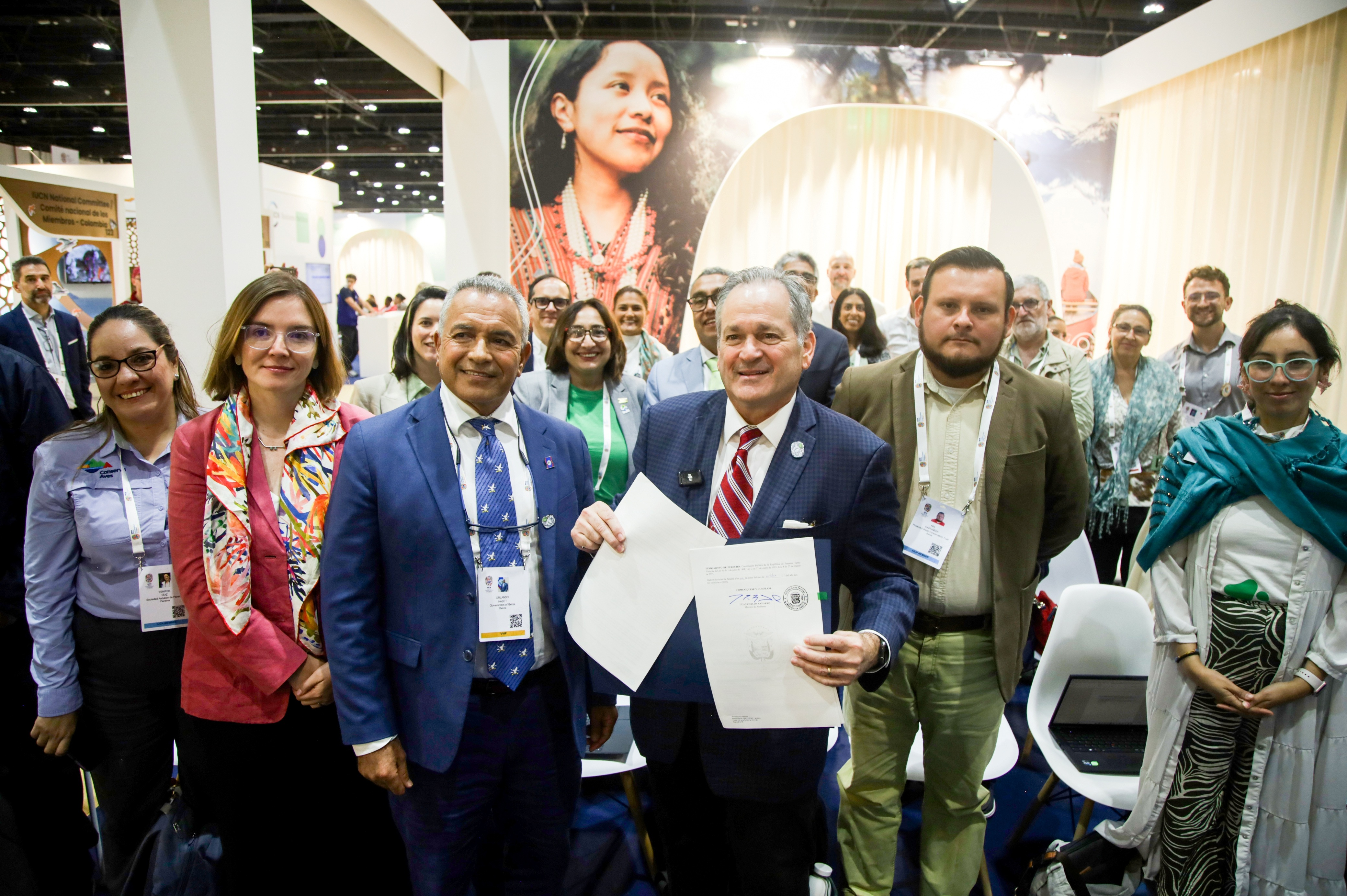
StoryOver five days, the Americas Pavilion showcased how the region is shaping global conservation, through Indigenous leadership, cutting-edge science, innovative finance, and partnerships that link local action to global ambition.
-
 File 2025
IUCN welcomes the UNEA-7 draft resolution on Enhancing international response to address crimes that affect the environment and commends the governments of Peru and Kenya for placing this urgent issue on the global environmental agenda, as well as Member States for their commitment to…
-
 Story
StoryInternational efforts are increasingly focused on addressing crimes that affect the environment (CAE), with remarkable progress evident from major political commitments in 2025 from Cape Town to Rio de Janeiro. CAE is widely recognised as a serious threat to biodiversity, local communities, and…
-
 Blog
BlogAt this year’s IUCN World Conservation Congress (WCC), the IUCN Commission on Environmental, Economic and Social Policy (CEESP) brings forward not only events, but a movement that has been quietly gaining momentum: Reimagining Conservation.
-
 Position paper 2025
UNFCCC COP30, which marks the 10th anniversary of the historic Paris Agreement, takes place at a time of growing conflicts, mounting geopolitical tensions, and heightened strains on multilateralism. As Parties convene in Belém, Brazil – in the heart of the Amazon – they must redouble their…
-
 Blog
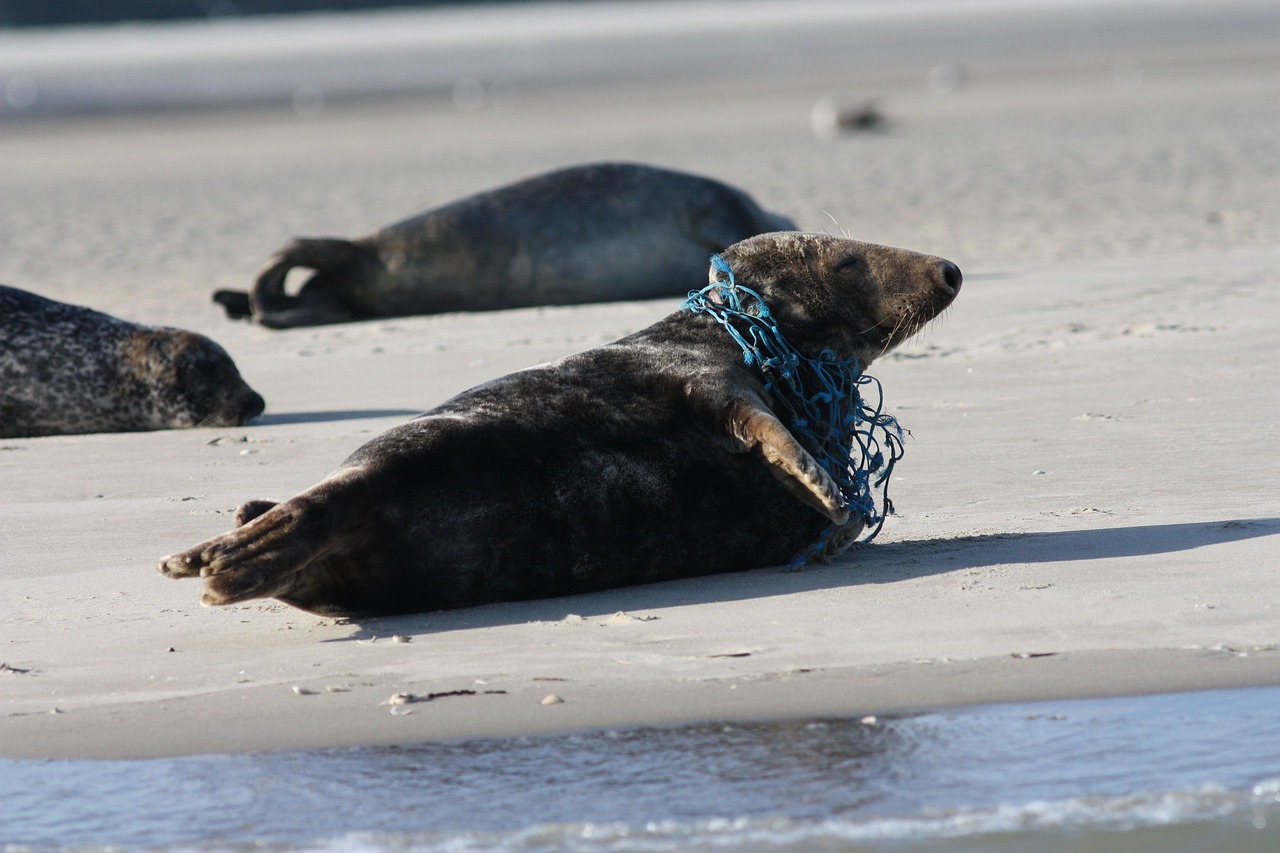
BlogIn recent decades, a wave of public support for animals has emerged worldwide, often grounded in what can be termed “sentimental ethics”. In this approach, animals—particularly domestic species such as dogs and cats—are deemed worthy of protection because they are “innocent” or…
-
 Blog
BlogThe Joint Programme of Work on the links between Biological and Cultural Diversity which was reaffirmed under the Kunming-Montreal Global Biodiversity Framework, is an important step in rethinking relationships and activating new forms of collaboration. Programme consultations, dialogues and…
-
 Blog
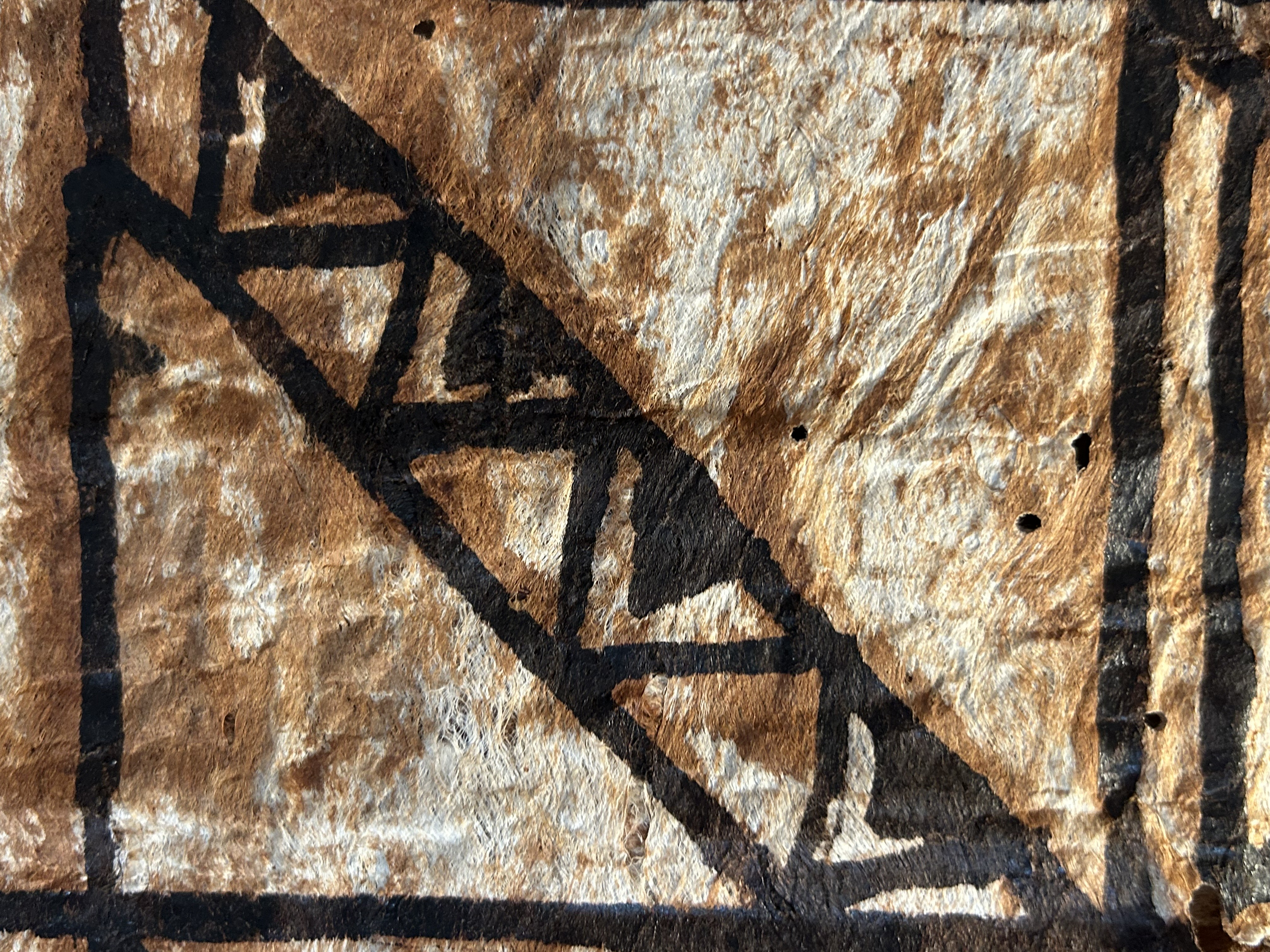
BlogFor Tongans, the ocean isn't just a resource – it's family. Their creation stories reveal the sea as ancestral home, where deities like the guardian shark Hēʻimoana embody sacred ecological duties. This think piece explores how tauhi fonua (caretaking practice) and tā-vā philosophy turn kinship…
-
 Blog
BlogNew research is revealing what Indigenous communities have long understood: animals have rich cultures, from chimpanzees' ancient tool use to whales' enduring songs. While modern science now detects these patterns of social learning, this knowledge could transform conservation, reducing human-…
-
 Blog
BlogWhat do Yellowstone and Silicon Valley have in common? Both birthed iconic but limiting models – one framing conservation as untouched wilderness, the other equating entrepreneurship with tech-scale hypergrowth. But conservation and entrepreneurship are far more diverse than these paradigms…