-
 News
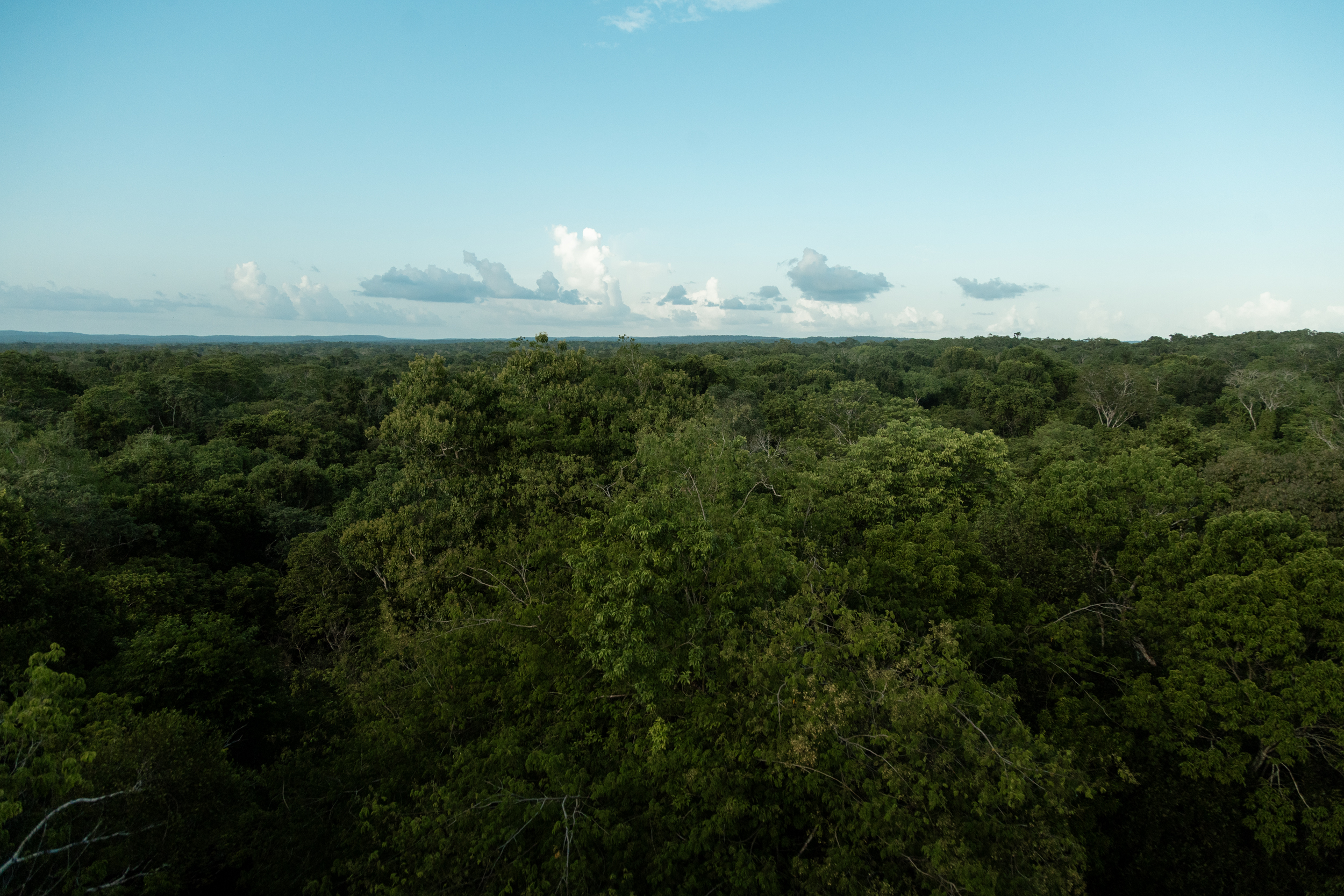
NewsThe “Protection of Natural Resources of the Selva Maya II” project will channel up to €750,000 for sub-projects that strengthen the integrated, coordinated, and participatory management of natural and cultural heritage in priority areas for the conservation and restoration of the largest forest…
-
 Blog
BlogAgroecosystems—farms and agricultural landscapes—cover nearly 40% of Earth’s land. They supply our food, fibre, and fuel, but are frequently degraded by poor farming practices, biodiversity loss, pollution, and climate change.
-
 Blog
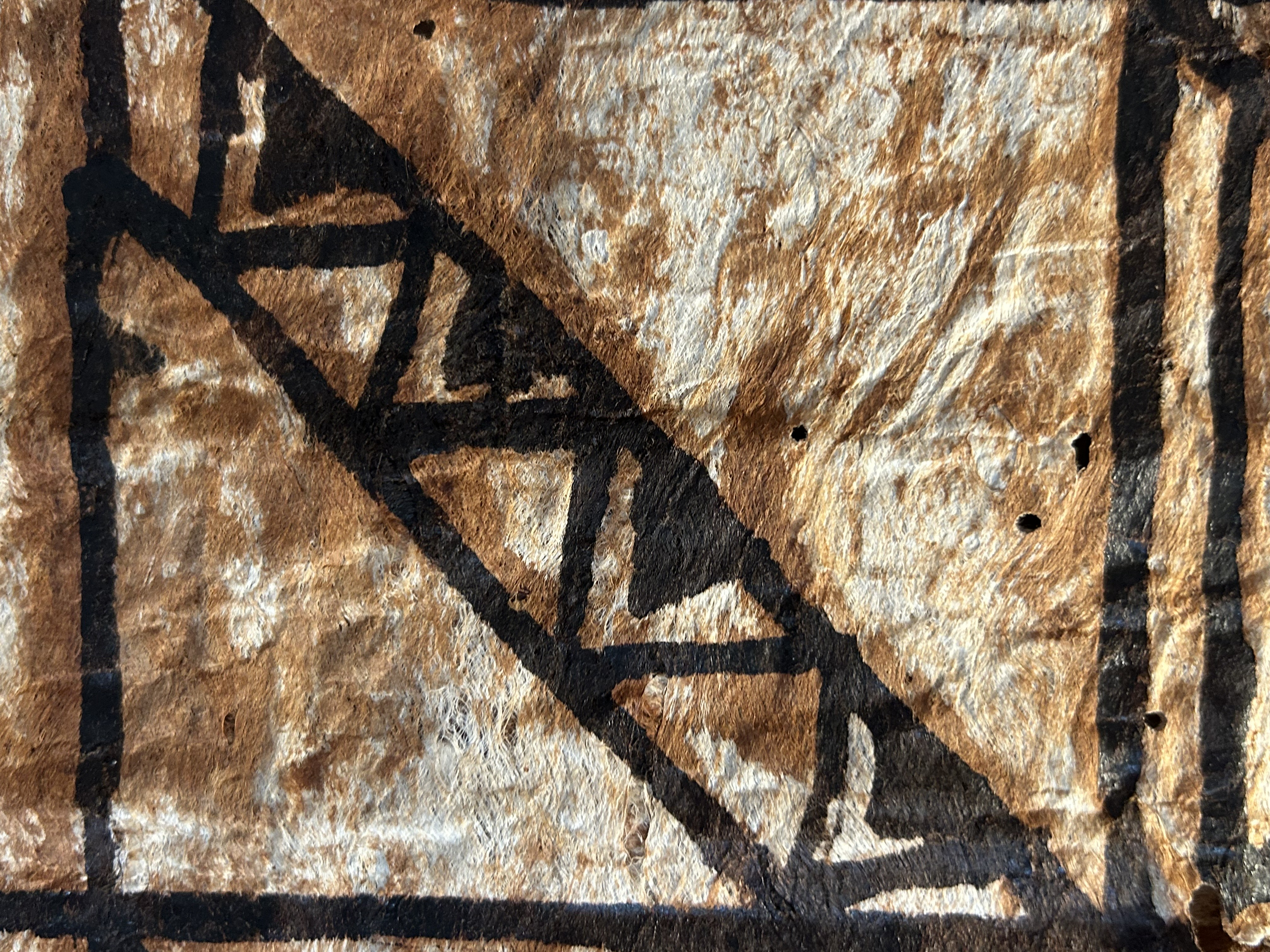
BlogFor Tongans, the ocean isn't just a resource – it's family. Their creation stories reveal the sea as ancestral home, where deities like the guardian shark Hēʻimoana embody sacred ecological duties. This think piece explores how tauhi fonua (caretaking practice) and tā-vā philosophy turn kinship…
-
 Blog
BlogFrom May 27 to 29, 2025, Dakar hosted the regional launch workshop for the Sahelian Landscapes, a Land of Opportunities - Expanding Proven Pathways (LOGMe II) project, marking the official start of this ambitious initiative. Promoted by the Italian Ministry of the Environment and Energy Security…
-
 News
NewsThe increasing overlap between the over 3,500 internationally designated areas (IDAs) - including nearly 300 natural World Heritage sites, 759 Biosphere Reserves, 229 UNESCO Global Geoparks, 105 Globally Important Agricultural Heritage Systems and more than 2,500 Ramsar Sites - comes with…
-
 Blog
BlogTarget 3 of the Kunming-Montreal Global Biodiversity Framework—commonly referred to as the "30x30" target—commits to protecting at least 30% of the world's land, inland waters, and oceans by 2030, through equitably governed systems of protected areas and other effective area-based conservation…
-
 Story
StoryÁvila, 27 June 2025 – This week, the first national dialogues on ecological connectivity in Spain took place at the Catholic University of Ávila, within the framework of the event titled “Conservation of ecological connectivity in Spain: A…
-
 Story
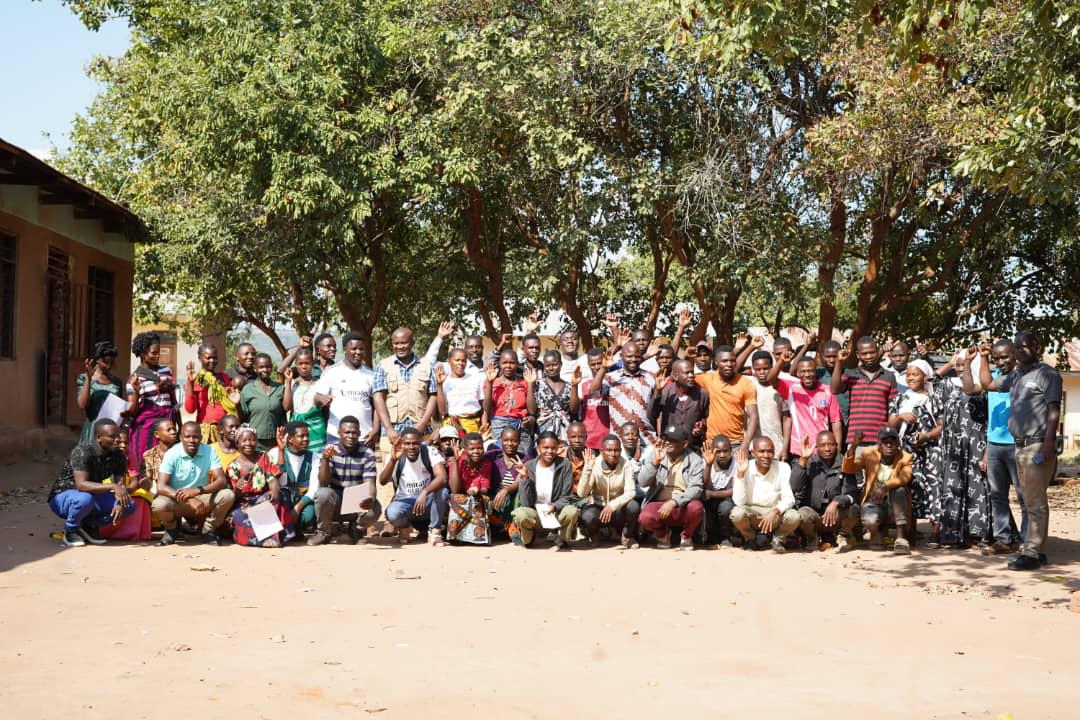
StoryRecognizing the critical need for improved local leadership in natural resource governance, the SUSTAIN Eco project has been taking a proactive role in supporting inclusive, community-centred solutions.