For including any contribution in the Quarterly Report and/or
the Species E-bulletin, please email to the SSC Communication Officer.
Our work
Framed by the Species Conservation Cycle, SSC’s major role is to provide information to IUCN on biodiversity conservation, the inherent value of species, their role in ecosystem health and functioning, the provision of ecosystem services, and their support to human livelihoods.
The SSC Network also provides scientific advice to conservation organisations, government agencies and other IUCN members, and supports the implementation of multilateral environmental agreements.
Policies, Guidelines and Standards
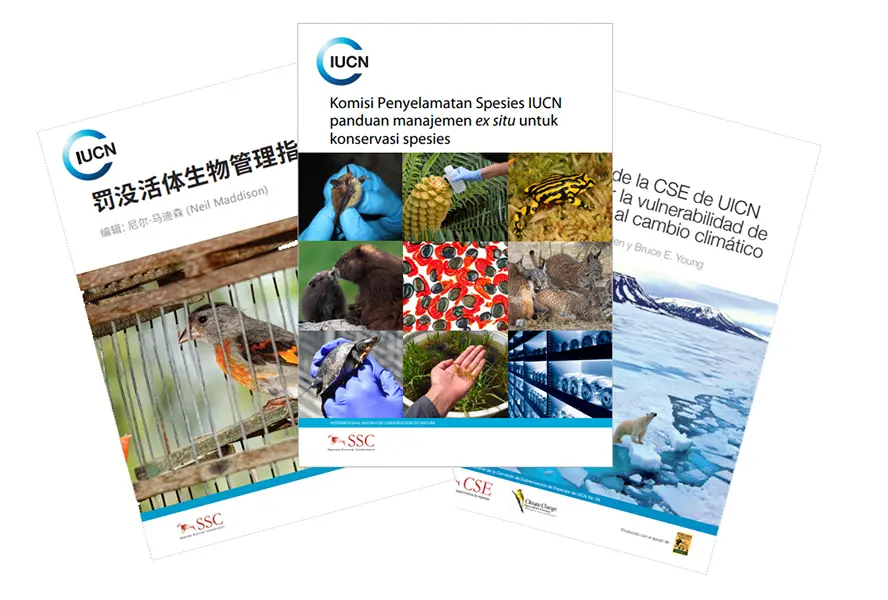
The Policies, Guidelines and Standards produced by the SSC provide guidance to specialized conservation projects and initiatives, such as re-introducing animals into their former ranges, handling confiscated specimens, and halting the spread of invasive species.
Species Reports
Species is the annual report of the IUCN Species Survival Commission and the IUCN Secretariat. This publication summarises the SSC network's main achievements and challenges for the future.

Quarterly Reports
The SSC Quarterly Reports aim to share the activities of the SSC Chair’s Office and highlights from the SSC Network, while also offering a space to reflect and discuss conservation issues, with SSC leaders, members, IUCN Secretariat, the broader IUCN community, and partners.
Latest Issue: March 2025

Species e-bulletin
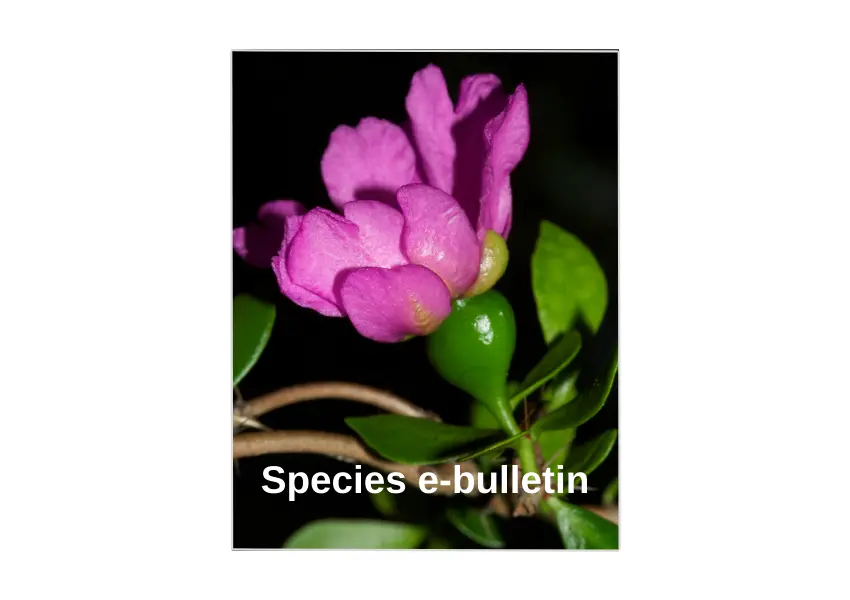
SSC's members, allies, and IUCN secretariat contribute to the Species E-bulletin, which is published a few times each year. The SSC e-bulletin aims to convey updates, efforts, and news around the species conservation cycle; in addition to some training activities, calling for proposals and other opportunities.
Latest Issue: July 2025 issue
Conservation Success Stories
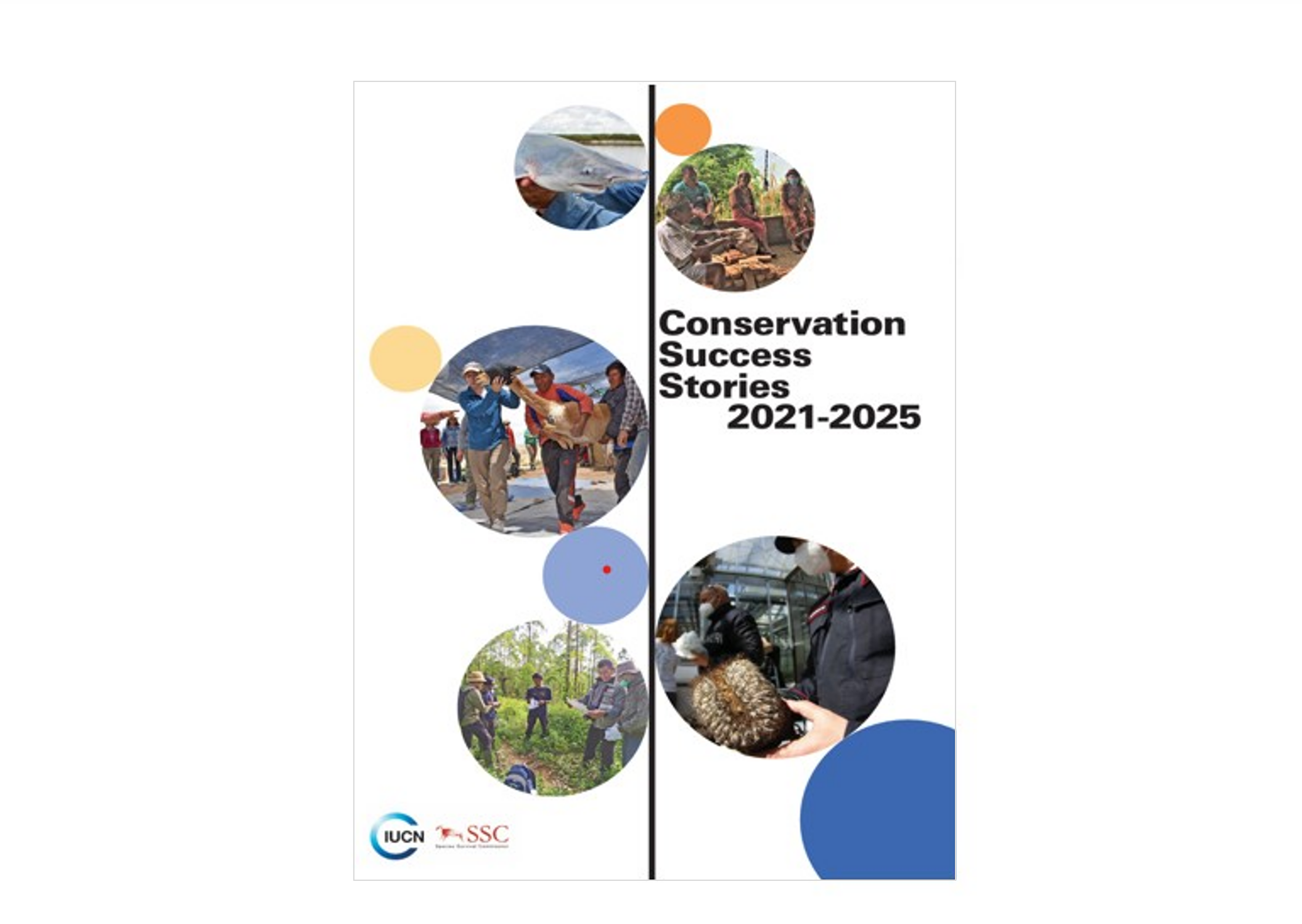
In these stories, members of the SSC Groups and their CSS allies share evidence of successful conservation efforts for species and their habitats worldwide by strengthening species policies, engaging communities, reducing threats, restoring habitats, runnig successful breeding programs, and supporting population recovery and Red List downlisting.
Let's spread the good news together. Conservation works—we just need to do more.