The Living Desert Zoo and Gardens partners with the IUCN SSC to launch first-ever U.S. Center for Species Survival Behavior Change
Landmark initiative aims to transform human behavior to protect wildlife and wild places, the nation’s first center dedicated to behavior change in conservation.
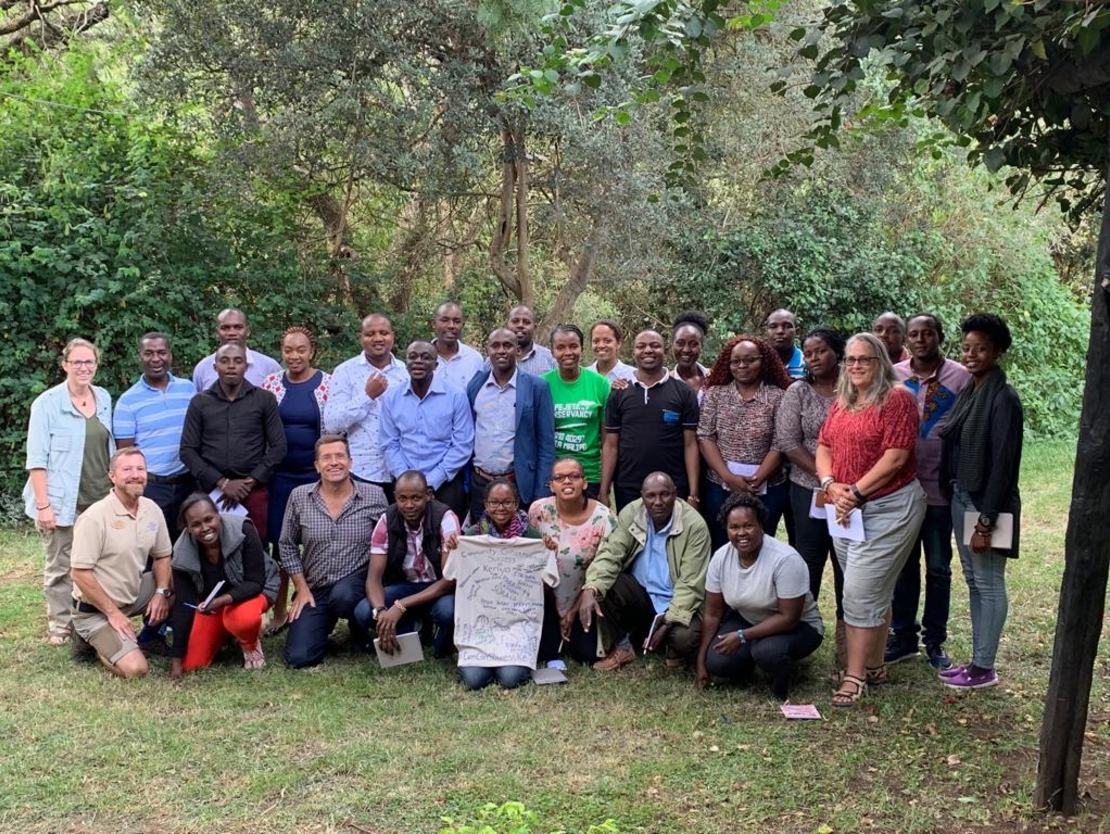
PALM DESERT, Calif. (Sept. 9, 2025) — The Living Desert Zoo and Gardens, in partnership with the International Union for Conservation of Nature (IUCN) Species Survival Commission (SSC), today announced the launch of the first-ever U.S.-based Center for Species Survival (CSS) Behavior Change.
This initiative addresses a pressing gap in global conservation: the need to directly transform human behavior. While species are declining worldwide, the primary driver is not biological failure, but human activity and choices. By focusing on how people can reshape conservation practices, this new center will ensure communities, species, ecosystems, and economies can succeed together.
Centers for Species Survival are collaborative partnerships between conservation organizations and IUCN SSC, a global network of more than 11,500 species conservation experts. The Living Desert Zoo and Gardens now joins this international network as the host of the first U.S. CSS dedicated to advancing behavior change in conservation by partnering with the IUCN SSC CEC Behavior Change Task Force.
The Living Desert is known for its groundbreaking Building Community Conservation Success (BCCS) program. Through these social science–based training workshops, The Living Desert has transformed how conservation is approached around the world. To date, the program has trained more than 675 conservation professionals across 32 countries, equipping them with the tools to work effectively with local communities and address the root causes of species decline. By bridging biology and social science, the BCCS program has established The Living Desert as a global leader in human-centered conservation.
“Species are declining around the world, because of human-driven pressures such as habitat loss, climate change, and exploitation,” said Dr. James Danoff-Burg, Vice President of Conservation, The Living Desert Zoo and Gardens. “Because people are the problem, people must also be the solution. Conservation is not just a biological science, it is a social science.”
As part of SSC’s global network of 27 Centers for Species Survival, the new U.S. CSS will provide guidance, tools, and strategies for conservation scientists, practitioners, governments and communities around the world to address root causes of species decline through human-centered approaches.
“The launch of this new Center reflects the turning point we have reached in conservation — placing people at the heart of solutions for species survival.” said Dr. Kira Mileham, IUCN SSC Partnership Director and Behaviour Change Taskforce member. “By uniting social science with biological science, we can mobilise action through the transformative power of human behavior to ensure people and nature can thrive together.”

About The Living Desert
The Living Desert Zoo and Gardens is a nonprofit organization and, as an accredited member of the Association of Zoos and Aquariums, upholds the highest standards in animal care, education, conservation, public service, and operations. The Zoo is deeply involved in global conservation efforts, including research, habitat protection, breeding programs, and educational initiatives, while also actively engaging with its local community. For over 50 years, The Living Desert has been a premier destination in the Palm Springs area. Visit us at 47900 Portola Ave, Palm Desert, CA 92260. For more information, call (760) 346-5694 or visit LivingDesert.org.
About the IUCN Species Survival Commission
With over 11,500 members in 186 territories, the Species Survival Commission (SSC) is the largest of the seven expert commissions of IUCN and enables it to influence, encourage and assist societies to conserve biodiversity by building knowledge on the status and threats to species, providing advice, developing policies and guidelines, facilitating conservation planning, and catalyzing conservation action. Learn more at iucn.org/ssc.


The 30th Conference of the Parties to the United Nation Framework Convention of Climate Change (…

Victoria Falls, Zimbabwe, 24 July 2025 — The Indo-Burma Ramsar Regional Initiative (IBRRI)…

World Wetlands Day is celebrated annually on 2 February. To celebrate this year’s theme of “…