From Brussels to Abu Dhabi, Réunion Island to French Polynesia: Evoking BESTLIFE2030’s steps in 2025
In 2025, BESTLIFE2030 journeyed across continents and cultures, connecting places as diverse as European political centres, international fora, and remote island communities. Each setting was unique, each location weaving a tapestry of experiences. Yet a shared commitment emerged: grounding biodiversity conservation in community stewardship and recognising that local actions collectively address nature’s global challenges.
In mid-2025, the journey passed through Brussels, where a gathering at the European Parliament brought policy discussions down to earth. Members of the European Parliament, European Commission representatives, NGOs, and local project leaders highlighted the leadership potential of the EU’s Overseas Regions and Overseas Countries and Territories. The event featured the launch of the policy brief on “BESTLIFE2030 contributions to the EU Biodiversity Strategy for 2030”, outlining the importance of the 57 ongoing BESTLIFE2030 projects and their combined environmental and socio-economic impacts to advance global commitments.
By October, at the IUCN World Conservation Congress in Abu Dhabi, BESTLIFE2030 broadened the conversation. Island communities worldwide shared first-hand stories of resilience and innovation, demonstrating how flexible, locally led funding and strong partnerships deliver real-world results. Digital tools and shared learning platforms further illustrated how grassroots initiatives align with and propel global biodiversity goals. In French Polynesia, this connection supported by BEST was powerfully illustrated by the return of the endangered Polynesian storm petrel to Kamaka Island. Years of careful invasive species removal and habitat restoration culminated in the birds’ reappearance, a testament to the effectiveness of locally driven conservation. This success story reflects the impact of collaborative efforts between island communities combining local expertise and dedicated stewardship.
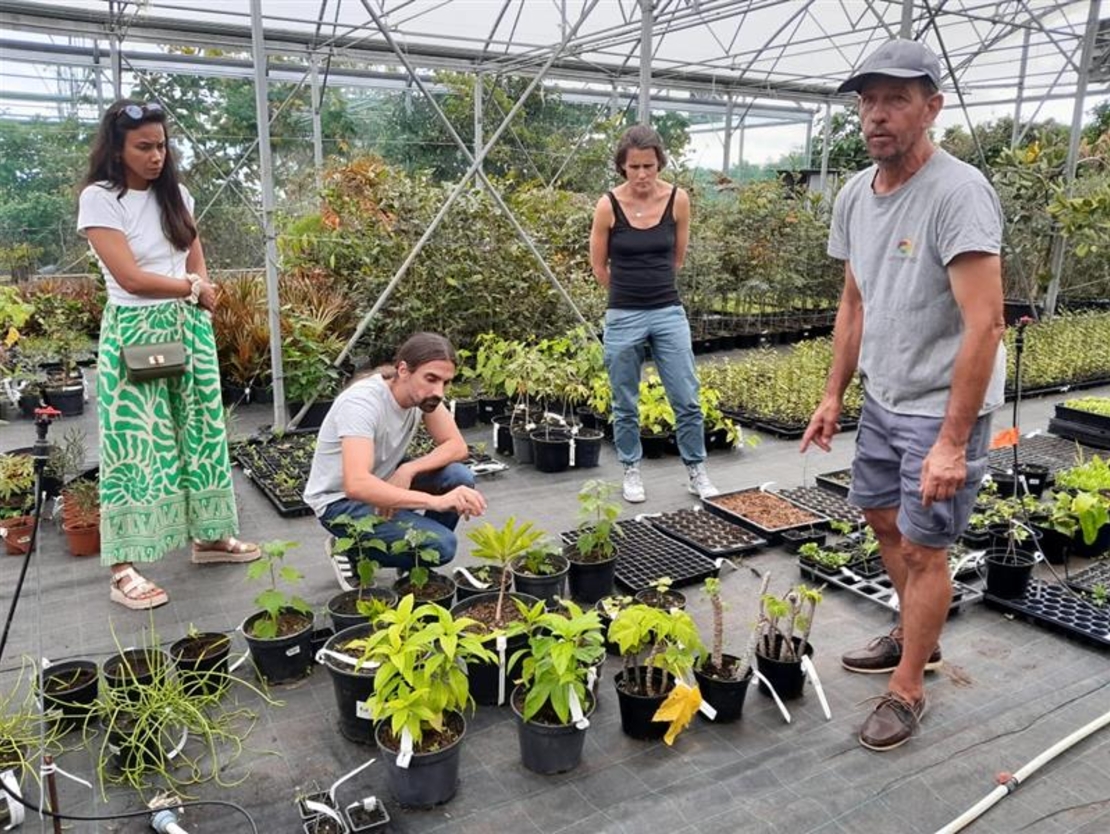
The year closed with field visits to Réunion Island and French Polynesia, where biodiversity conservation is deeply intertwined with culture and everyday life. From volcanic ridges and coastal reserves to expansive lagoons and coral reefs, local practitioners demonstrated how tradition, science, and collective care merge to safeguard these unique environments. These encounters underscored a vital truth: global biodiversity depends on the passion and dedication of local communities working together toward resilient futures for nature and people alike.


Disclaimer
Opinions expressed in posts featured on any Crossroads or other blogs and in related comments are those of the authors and do not necessarily reflect the opinions of IUCN or a consensus of its Member organisations.
IUCN moderates comments and reserves the right to remove posts that are deemed inappropriate, commercial in nature or unrelated to blog posts.

The 30th Conference of the Parties to the United Nation Framework Convention of Climate Change (…

Victoria Falls, Zimbabwe, 24 July 2025 — The Indo-Burma Ramsar Regional Initiative (IBRRI)…

World Wetlands Day is celebrated annually on 2 February. To celebrate this year’s theme of “…